Short answer: Yes, solar panels generate electricity in winter.
Photovoltaic panels run on sunlight, not heat. Cold weather alone does not stop generation; when irradiance is sufficient, a lower panel temperature may even support electrical performance. However, shorter days, a lower sun angle, heavy cloud cover, shading and snow covering the panels can reduce total daily generation. Winter performance should therefore be calculated by considering the location and system design together, rather than looking at air temperature alone.
The correct answer to “Do solar panels work in winter?” begins by distinguishing between panel efficiency and daily or monthly energy generation. A panel may operate efficiently on a cold, clear day, but when sunshine duration and irradiance decrease in winter, the system's total energy generation over the day may be lower than in summer.
Türkiye has strong solar potential. According to GEPA data from the Ministry of Energy and Natural Resources, the country's average annual total sunshine duration is 2,741 hours and its average annual total irradiation is 1,527.46 kWh/m². These are annual averages; the city, roof orientation, slope, surrounding shadows and seasonal conditions alter actual generation.
Why might solar panels generate less electricity in winter?
In winter, the main factor determining generation is the solar energy reaching the panel surface rather than the temperature. PVGIS, developed by the European Commission's Joint Research Centre, also considers several variables together when calculating photovoltaic generation, including solar irradiance, panel technology, temperature and system losses.
Effects of winter conditions on solar panel generation
| Winter condition |
Effect on generation |
Assessment method |
| Short days and a low sun angle |
These may reduce the time during which the panel can generate energy and the irradiance reaching its surface. |
Location-specific monthly irradiance and generation data should be reviewed. |
| Cold weather |
When sufficient light is available, a lower module temperature may support instantaneous electrical performance. |
The temperature coefficients in the panel's technical data sheet should be considered. |
| Cloud and fog |
They reduce direct irradiance. The panel may continue generating with diffuse light, but total generation can decrease. |
Monthly and annual generation curves should be assessed instead of a single day. |
| Snow cover |
Snow covering the panel surface can block light from reaching the cells and severely limit generation. |
Snow load, mounting angle, access safety and manufacturer instructions should be assessed together. |
| New shadows |
Because the sun is lower in winter, shadows cast by chimneys, trees or neighbouring buildings may become longer. |
A shading analysis that accounts for the winter sun angle should be performed. |
Does cold weather increase panel efficiency?
This statement can be misleading when taken out of context. The electrical behaviour of photovoltaic modules is affected by panel temperature, and very hot surfaces may reduce power output. For this reason, a panel's instantaneous operating conditions may be favourable on a clear, sunny and cold winter day. However, good instantaneous efficiency does not mean that the panel will generate as much energy by the end of the day as it does in summer. The shorter generation window and lower total irradiance in winter may limit daily energy output.
When comparing panels, factors such as low-irradiance behaviour, temperature coefficient, mechanical load resistance, product and performance warranties, and suitability for the installation structure should be examined together instead of considering nominal power alone. CW Enerji solar panel options include models for different power levels, cell technologies and application areas; the final selection should be based on project conditions.
How can winter solar generation be estimated?
A sound estimate compares consumption and generation on the same calendar instead of giving a single nationwide answer to “How many panels are enough?”
- Define the location: Province and district are useful starting points; where possible, the building's coordinates should be used.
- Record roof conditions: Orientation, slope, usable area, shadows from chimneys and trees, and the condition of the supporting structure should be assessed.
- Determine monthly consumption: Review the kWh values on electricity bills. If there are heat pumps, electric heaters or other winter loads, account for them separately.
- Model monthly generation: The free PVGIS tool helps show how generation may change over the year for a selected location.
- Include system losses: Losses related to shading, cables, the inverter, soiling and operating temperature should be included in the engineering calculation.
- Select the operating mode: Grid-connected, hybrid and off-grid systems have different acceptable risk levels and backup energy requirements for winter.
Why can no single winter generation percentage be given?
Two systems with the same installed capacity will not produce the same result in different climates such as Antalya and Erzurum, or with different slopes and shading conditions. Calculations based on historical meteorological data are also estimates and do not guarantee the weather in a particular year. When comparing quotations, it is therefore important to request the monthly generation table, the data source used and the assumed system losses.
Does snow damage solar panels?
The presence of snow does not automatically mean panel damage; the main issue is whether the panel and mounting system are designed for the snow load in the region where they are installed. The CW Enerji Installation and Assembly Manual requires modules not to be exposed to conditions exceeding their permitted maximum wind or snow loads and to be installed in a location free of shading throughout the year. During project design, experts should check the panel's technical load limits as well as roof statics, fasteners and local conditions.
Because snow that completely covers the panel blocks light, generation may fall sharply. However, user intervention on a high, sloped or slippery roof can cause falls, electric shock, glass damage and warranty issues. Whether snow removal is needed should be decided through remote generation monitoring and a safe site inspection; where necessary, assistance should be obtained from a competent team.
How should maintenance and cleaning be handled before winter?
The cleaning schedule should be based on on-site dirt accumulation and generation monitoring rather than a fixed “so many times per year” rule. Industrial dust, bird droppings, pollen, road traffic or long periods without rain may increase the need for cleaning.
- Compare the daily and monthly generation curves in the inverter or monitoring application under similar weather conditions.
- From a safe distance, check for new shading, broken glass, burn marks, loose mounting hardware or objects touching the surface.
- Have cables, connectors and grounding checked by authorised technical personnel.
- Do not attempt to climb onto the roof, walk on panels or scrape snow away with hard or sharp objects.
- If cleaning is required, comply with the water, pressure, temperature and equipment limits in the panel manufacturer's manual.
The CW Enerji Installation and Assembly Manual specifies using a damp, clean-water sponge or soft cloth on the glass surface and avoiding acidic or alkaline detergents and abrasive tools. The manual also requires the water temperature to differ from the panel surface temperature by no more than 20°C and the water pressure not to exceed 35 bar. Do not attempt to clean modules with damaged glass or interfere with exposed cables.
Winter planning for grid-connected, hybrid and off-grid systems
Grid-connected system
When solar generation falls below consumption, the remaining energy requirement can be met by the grid. The primary objective in this configuration is generally to optimise annual self-consumption and economic performance. Its behaviour during a grid outage must be assessed separately.
Hybrid system
Panels, the grid and a battery can be managed together. Winter design should consider not only the battery's kWh capacity, but also the power of critical loads, the target backup duration, inverter output and battery operating temperatures.
Off-grid system
Because there is no grid support, the most challenging generation period is central to the design. Consecutive overcast days, winter consumption, the permitted depth of discharge and, where necessary, an alternative backup source scenario should be calculated together.
Adding a battery does not increase sunlight; it allows energy generated during the day to be used later. The storage decision should therefore be made after measuring the consumption profile and the winter generation deficit. CW Enerji energy storage solutions can be reviewed for residential and commercial options.
The right project approach for winter performance
When a new system is planned, the feasibility study should not be limited to total annual generation. A monthly generation-consumption comparison reveals higher winter electrical loads, shadows on the roof at a low sun angle and the snow load. For an existing system, inverter records, past winter generation and site inspections provide the basis for maintenance decisions.
The right approach is not to install the greatest possible number of panels, but to optimise safe roof placement, compatible panel and inverter selection, an accessible maintenance plan and the actual consumption profile together. This turns “Does it work in winter?” from a general yes into a measurable energy plan specific to the building.
Frequently asked questions
Yes. Generation can continue using diffuse light that reaches the panel surface on cloudy days, but because irradiance is lower, power output is generally below that of clear weather. The result varies with cloud density and system conditions.
Snow covering the entire panel largely blocks light from reaching the cells and severely limits generation. The result may differ with thin or partial cover. Rather than climbing onto an unsafe roof, follow the manufacturer's instructions and seek an expert assessment.
Not for every system. In a grid-connected project, the grid can support periods of low generation. A battery may be considered to use solar energy at night, back up critical loads or operate off-grid. Capacity should be calculated according to consumption and the target backup duration.
Sharp or abrasive tools should not be used, hot water should not be poured onto the panel, and no one should walk on it. Users should not intervene if roof access is hazardous. The required method should be determined from the panel manufacturer's manual and a competent technical team's site assessment.
Simply increasing the number of panels is not always the right solution. Roof area, inverter input limits, grid connection, excess summer generation, winter consumption and financial objectives should be analysed together. The lowest-generation period is more decisive for off-grid systems.
Plan your system around your winter consumption
When your roof orientation, monthly electricity consumption, critical loads and local solar data are assessed together, the right panel, inverter and storage architecture can be determined. Contact CW Enerji for a new installation or an assessment of an existing system.
Go to the contact form
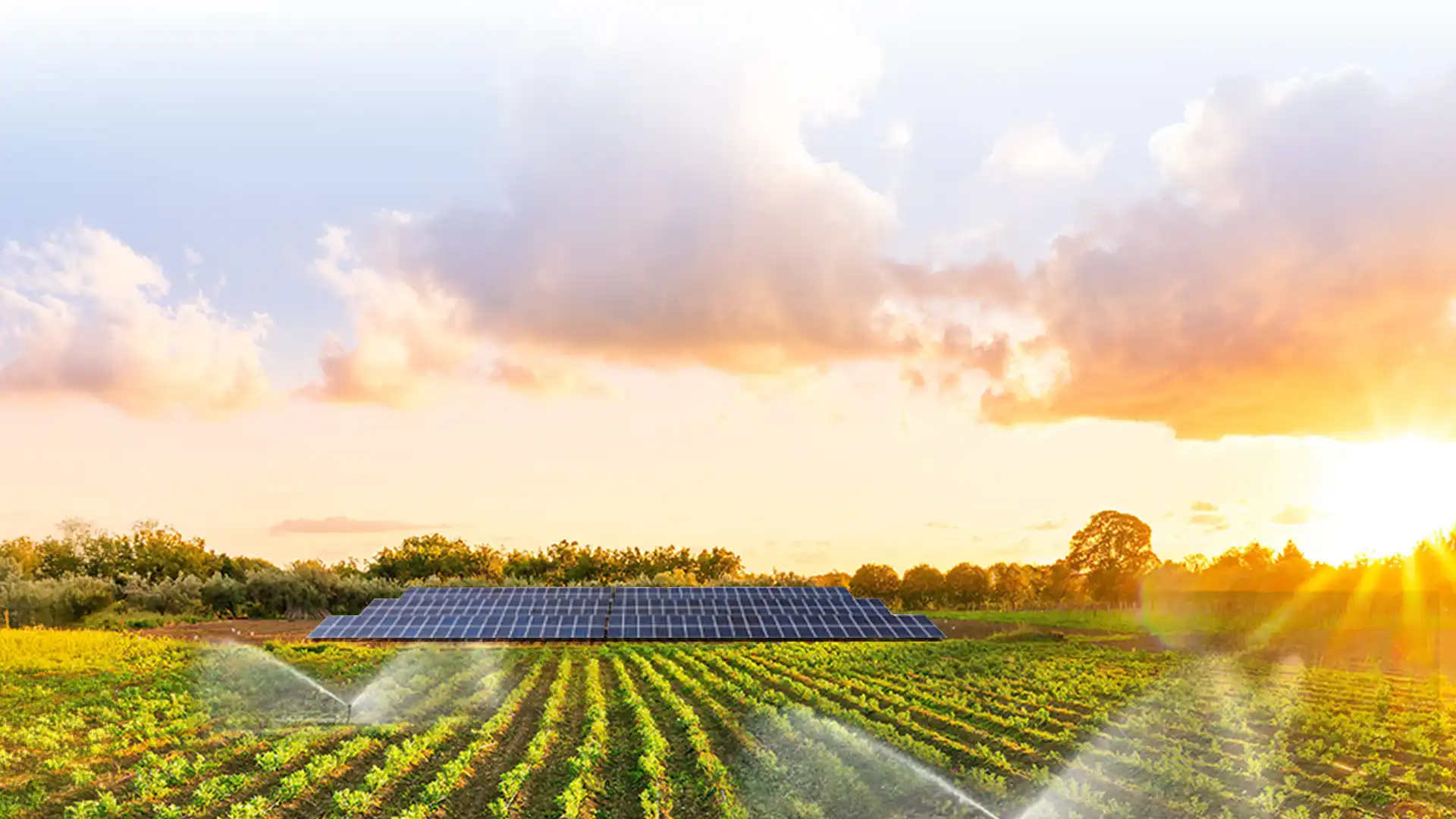 A New Era in Irrigation with AgriFlow Technology
Developed with CW Enerji’s engineering expertise, AgriFlow technology provides high operating voltage from a single panel, enabling fewer connections, simpler installation, and more efficient irrigation throughout the day.
Detailed Review
A New Era in Irrigation with AgriFlow Technology
Developed with CW Enerji’s engineering expertise, AgriFlow technology provides high operating voltage from a single panel, enabling fewer connections, simpler installation, and more efficient irrigation throughout the day.
Detailed Review
 Solar Panels
  Inverters
  CHARGE CONTROLLERS
  SOLAR PACKS
  Solar Equipment
  ENERGY STORAGE SOLUTIONS
  HEATING, COOLING AND HOT WATER
  ELECTRIC VEHICLE CHARGERS
  Solar Lighting Solutions